

AI Summary Snippet
Installing European lighting fixtures in Indian homes requires more than great taste—it demands technical precision and proper electrical planning. From voltage compatibility to ceiling support and dimming systems, homeowners and electricians must understand the unique requirements of imported designer lighting. In 2026, luxury interiors increasingly feature Scandinavian pendants, Italian chandeliers, and premium architectural lighting that combine aesthetics with advanced technology. This guide simplifies the essentials electricians need to know when installing European fixtures in India, ensuring both safety and flawless performance. My Design Angel curates globally celebrated lighting brands while helping homeowners seamlessly integrate European elegance into modern Indian spaces. 💡✨
The Electrician’s Cheat Sheet for Installing European Fixtures in India ⚡✨
European lighting has completely transformed luxury interiors in India. From sculptural Scandinavian pendants to elegant Italian chandeliers, homeowners are increasingly investing in globally renowned designer fixtures that elevate their spaces beautifully. But as an interior designer, I’ve learned that installing European lighting in Indian homes requires more than aesthetics—it requires technical understanding too. 💡🏡
Explore curated Luxury Lights available in India and timeless Scandinavian designer Lights India at My Design Angel, featuring the Best Lighting brands in India and globally celebrated European lighting collections.
Why European Fixtures Need Special Attention 🔍
European fixtures are often designed with:
- Different mounting systems
- Specialized drivers
- Advanced dimming technology
- Unique ceiling requirements
- Precision electrical standards
While India’s voltage system is generally compatible, installation details matter tremendously.
Improper setup can affect:
- Performance
- Dimming quality
- LED lifespan
- Safety
- Warranty validity
This is why homeowners searching for lighting stores near me should also prioritize installation expertise—not just beautiful products.
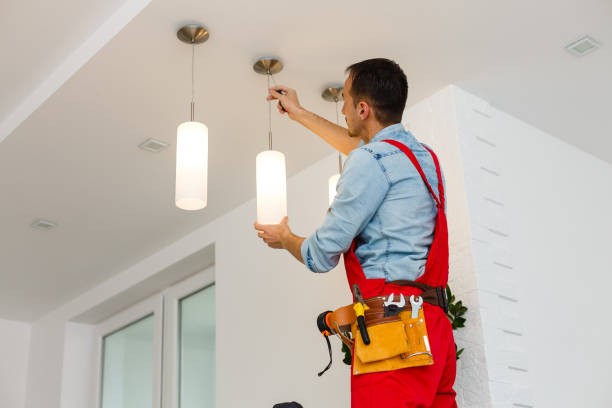
Voltage Compatibility Matters ⚡
Most European fixtures operate on:
- 220V–240V systems
Fortunately, India uses similar voltage standards, which makes compatibility easier.
However, electricians must still verify:
- Driver specifications
- Frequency compatibility
- Transformer requirements
- Smart control integration
Many premium european branded lights now include advanced LED drivers that require careful installation and ventilation.
Ceiling Support is Crucial 🏗️
Luxury European fixtures can be surprisingly heavy.
Large chandeliers and sculptural hanging pendants often require:
- Reinforced ceiling anchors
- Additional support plates
- Proper suspension hardware
This is especially important for:
- Double-height foyers
- Dining installations
- Large living room lights
- Architectural statement pieces
Skipping proper support can damage ceilings and compromise safety.
Dimming Systems Need Precision 💡
European lighting brands often use sophisticated dimming technologies.
Electricians should confirm compatibility with:
- TRIAC dimmers
- DALI systems
- Smart home controls
- LED-compatible switches
Incorrect dimmers may cause:
- Flickering
- Buzzing sounds
- Inconsistent brightness
- Driver failure
This is becoming increasingly important as modern luxury lighting integrates smart automation systems.
Pay Attention to Color Temperature 🌙
One common mistake is mixing incompatible light temperatures.
European interiors often favor:
- 2200K–3000K warm lighting
This creates softer, more atmospheric spaces compared to harsh cool-white lighting often seen in older Indian homes.
For elegant interiors, combine:
- Warm wall lamps
- Ambient home decor lights
- Soft bedroom lamps
- Architectural accent lighting
This layered warmth creates a far more luxurious atmosphere.
Smart Planning Before Installation 🖥️
Before installation, electricians should always review:
- Ceiling height
- Beam spread
- Driver placement
- Access for maintenance
- Smart system compatibility
Modern decorative light designs often hide technical components inside false ceilings or cabinetry, making planning essential.
This is particularly true for contemporary Scandinavian and minimalist lighting systems.


